Les analyses de Loblaw Accélération(MC) ont permis à FGF-Wonderbrands de récupérer ses pertes de revenus
Sommaire
Dans les magasins Maxi du Québec, FGF-Wonderbrands a remarqué une baisse des revenus et a mis au défi Loblaw AccélérationMC de déterminer la cause et d’améliorer les perspectives de la marque dans la région.
Une analyse de la performance des revenus a révélé qu’une grande partie des acheteurs avaient délaissé la marque en raison d’un article récemment déréférencé. Bien que la plupart des produits demeurent dans le portefeuille de la marque, ce qui indique une forte fidélité sous-jacente, le changement de l’assortiment a fait l’objet d’un écart critique dans l’essai et la découverte.
En s'appuyant sur les analyses médias, les données de fidélisation PC OptimumMC et les données relatives aux comportements d’achat intercatégories de la plateforme Données, connaissances clients et analysesMC de Loblaw, l’équipe de veille médiatique de Loblaw AccélérationMC a élaboré une stratégie ciblée et complète visant à améliorer les ventes.
La campagne a réussi à attirer de nouveaux acheteurs à 142 % de l’objectif, avec des taux de conversion supérieurs à la croissance organique de 2,7 fois.
Ce cas souligne le pouvoir de la planification et des analyses pour transformer un défi complexe de vente au détail en une occasion de croissance. En harmonisant la performance des médias, le comportement des transactions, les données sur la fidélisation et les capacités de segmentation du public, la marque a non seulement atténué l’incidence d’un changement d’assortiment, mais a aussi réussi à rétablir l’élan dans un environnement restreint et coûteux.
Le problème commercial : lorsque l’assortiment perturbe la demande
FGF-Wonderbrands, une marque de boulangerie de premier plan, a pris une décision conjointe avec les magasins Maxi du Québec de déréférencer un produit à haut rendement qui représentait auparavant 12 % des ventes totales.
Au cours des mois suivants, la marque a commencé à enregistrer une baisse marquée de ses revenus, qui s’est traduite par un recul de 9 % des ventes ainsi que par une diminution du volume unitaire, de la taille du panier moyen et du nombre total de transactions.
La situation a présenté une dynamique de vente au détail délicate mais familière : une décision d’assortiment a optimisé la tablette, mais a créé un défi de demande en aval qui a nécessité un levier différent pour résoudre le problème.
L’analyse : valeur cachée malgré les pertes
À la recherche de solutions pour renverser la baisse des ventes, FGF-Wonderbrands a fait appel à l’équipe de veille médiatique de Loblaw AccélérationMC pour obtenir du soutien. Grâce à des analyses approfondies à l’aide de la plateforme Données, connaissances clients et analysesMC de Loblaw, plusieurs observations cruciales ont émergé:
Le produit déréférencé a contribué à 7 % de la baisse totale des ventes de 9 %.
Bien que 81 % des acheteurs du produit déréférencé (produit de base) aient cessé d’acheter la marque, 70 % sont demeurés actifs au sein du portefeuille élargi de la marque (Halo), ce qui montre que le capital de marque demeurait solide et que les consommateurs n’avaient pas complètement abandonné la marque.
83 % de l’acquisition de nouveaux clients a disparu, révélant un point d’entrée brisé dans l’essai et la découverte.
La stratégie : transformer l’analyse en action
Il y a eu 3 facteurs supplémentaires pour créer une stratégie réussie.
Premièrement, FGF-Wonderbrands avait besoin de résultats rapidement. Dans cette optique, nous avons décidé de nous concentrer sur la plus grande occasion : l’acquisition de nouveaux clients. La perte de certains acheteurs était un problème, mais la forte valeur de la marque FGF-Wonderbrands a permis de garder la plupart d’entre eux engagés; le principal point sensible était la baisse de 83 % de nouveaux clients. La campagne devait offrir aux consommateurs une nouvelle occasion de renouer avec la marque et ainsi atténuer les pertes continues.
Deuxièmement, la stratégie relative au public cible devait être précise et exacte. En général, les campagnes hautement ciblées peuvent entraîner des coûts liés aux médias plus élevés, car les contraintes géographiques et les publics de grande valeur mènent à une concurrence plus élevée pour chaque impression. Par conséquent, les principaux acheteurs de la marque ont été identifiés parmi les principales caractéristiques démographiques (p. ex., les parents d’âge moyen), les habitudes d’achat (p. ex., les transactions fréquentes et de grande valeur), les comportements d’achat (p. ex., les utilisateurs actifs PC OptimumMC) et l’affinité avec le produit (p. ex., yogourt, collations salées, pâtes) avant d’être filtrés par géographie (p. ex., Québec).
Enfin, un principe simple, mais puissant, a guidé la réflexion : si la tablette change, le parcours d’achat devait lui aussi changer. Pour donner vie à cette stratégie, la campagne devait intégrer plusieurs canaux dans un écosystème cohérent qui permettait une optimisation rapide, des placements percutants et une fréquence élevée.
L’exécution comprenait :
Une portée hors site avec précision : les médias hors site ont été activés à l’aide de publics personnalisés pour réintroduire la marque et stimuler la notoriété des segments à fort potentiel.
Une influence numérique au point de vente : les emplacements des affichages PC ExpressMC et PC OptimumMC ont sollicité les acheteurs pendant leur parcours en ligne pour renforcer la messagerie et encourager la conversion en ligne et en magasin.
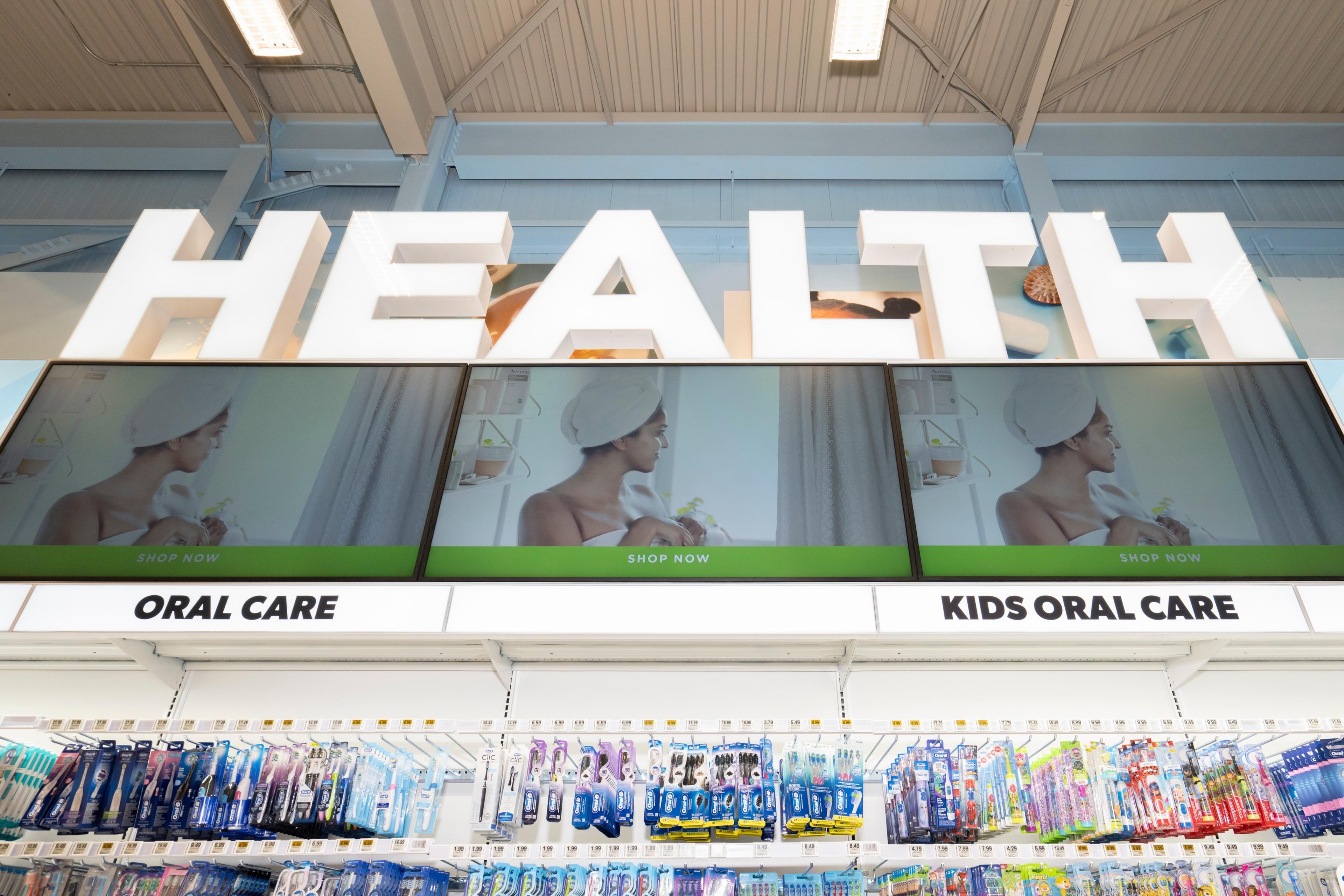
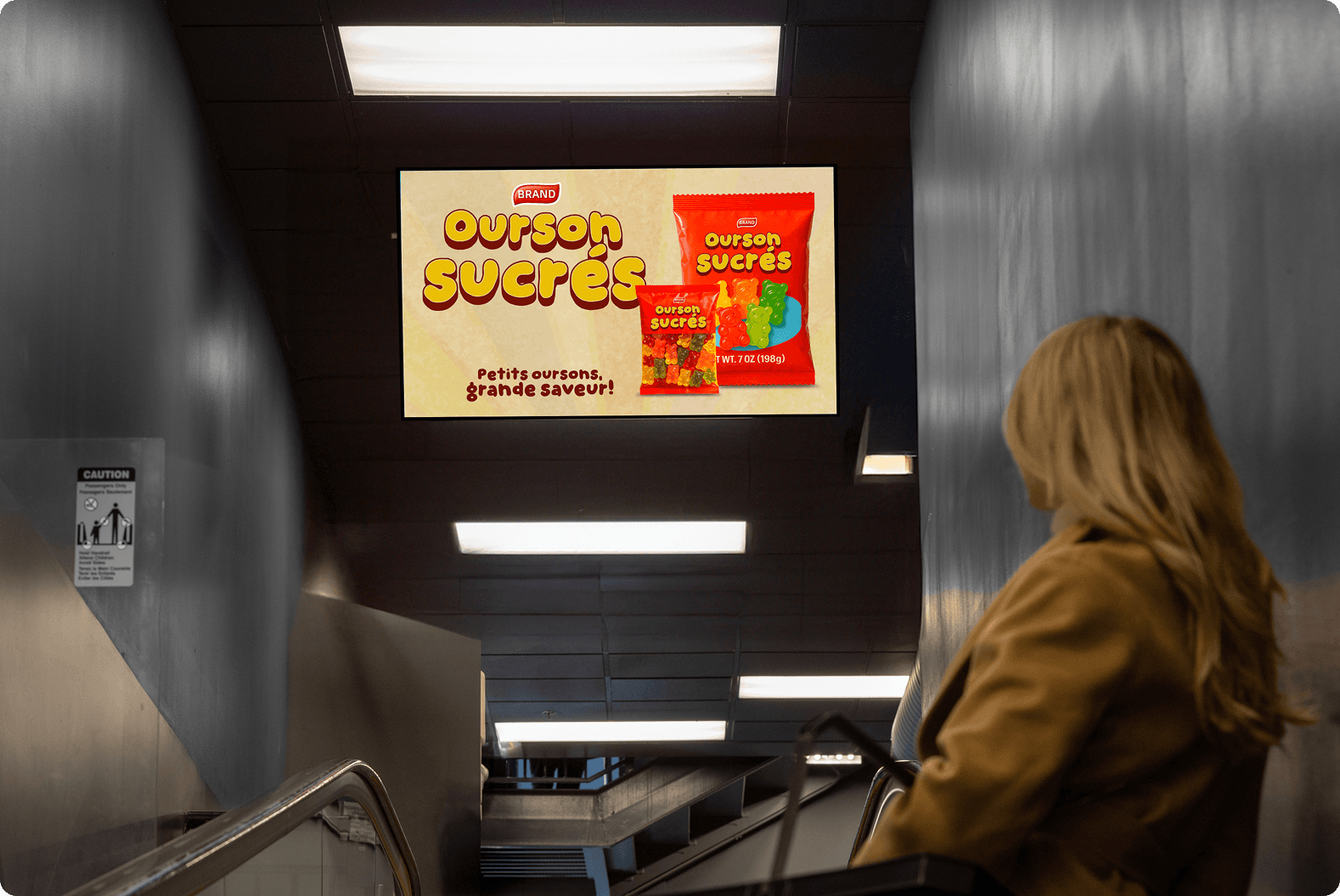
Des déclencheurs comportementaux en magasin : les écrans numériques en magasin ont envoyé des messages opportuns pendant les visites de magasinage hebdomadaires, tandis que les reçus imprimés présentaient des offres PC OptimumMC personnalisées, ce qui a pour effet de prolonger l’influence après le paiement.
Une fidélité en tant que moteur de conversion : les offres personnalisées spéciales ont encouragé les clients existants à augmenter la fréquence et les dépenses, tout en encourageant l’essai chez les acheteurs qui ne connaissaient pas la marque.
Chaque point de contact s’appuyait sur les mêmes renseignements sous-jacents, assurant ainsi la cohérence, la pertinence et l’incidence mesurable.
Les résultats : la précision surpasse la portée
Malgré les contraintes de public et le défi localisé, la campagne a donné des résultats exceptionnels par rapport aux objectifs de FGF-Wonderbrands :
Croissance de la clientèle de 2,3 fois
142 % de l’objectif pour le coût par acquisition
2,7 fois d’augmentation de la conversion; la campagne a généré près de 3 fois plus de conversions que la croissance organique à elle seule
Ce qu’il faut retenir : lorsque les données sont au cœur de la stratégie, la croissance s'ensuit
Ce cas illustre une évolution importante dans les médias de détail :
Les décisions relatives aux catégories et les stratégies médiatiques sont interdépendantes.
Lorsque les changements d’assortiment perturbent la demande, les données et les médias peuvent les reconstruire.
Même dans des environnements hautement localisés et à coût élevé, la réussite est réalisable avec les bons renseignements.
Surtout, il met en évidence le rôle de la veille médiatique, qui va au-delà d’une simple fonction de communication d’informations. Dans ce cas, c’est le moteur stratégique qui a diagnostiqué les véritables facteurs de déclin, a identifié la valeur recouvrable dans la perte des acheteurs et a traduit les analyses en un plan précis et exécutable.
Êtes-vous prêt à obtenir des résultats similaires pour votre marque? Communiquez avec nous dès aujourd’hui pour savoir comment nos solutions axées sur l’analyse peuvent stimuler votre croissance.